Q&A: Jess Sanders
For this Nipaluna/Hobart-based author, a conversation around the dinner table sparked a collection of best-selling children’s books that inspire, challenge and celebrate young and older readers alike.
▼
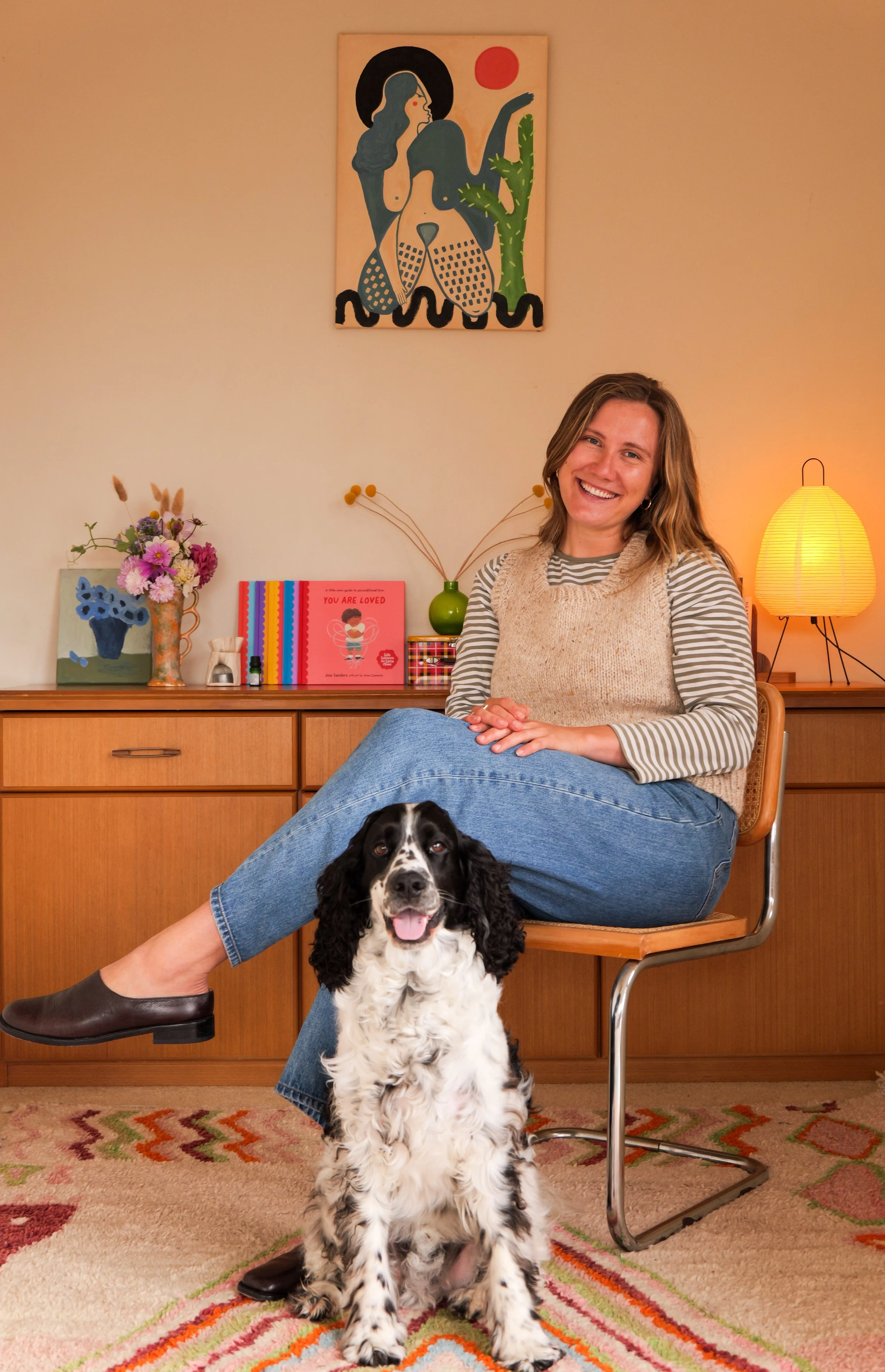
Tasmanian social worker, educator and author Jess Sanders (image: Lara Christie)
Where did you grow up, and how did you end up living here at the bottom of the world?
I was actually born in Japan, where both of my parents were teaching English. We moved to the Dandenong Ranges when I was two, and my two younger sisters and I grew up on a hobby farm, with our primary school just across the paddock. It was an idyllic nature-based childhood.
After school, I studied fine art photography at RMIT in Melbourne, while working multiple hospitality jobs so that I could travel. By my early twenties, I’d been to more than 30 countries, mostly as a solo traveller. To this day, I think that independence and exposure to diverse cultures was really foundational for me.
I was based in Melbourne city for most of my early professional life, but I started thinking about moving to Tassie not long before Covid lockdowns. I’d visited a number of times, including a two-week-long van trip, and I really felt that Tasmania fit the bill of all of the things that I was seeking: access to nature and the ocean, a house with space for a garden and a dog, and connection to people and culture. By 2022, I had made the move.
You’re a social worker, educator and best-selling author. How has your career evolved since completing your postgraduate studies in Social Work and Gender?
In the early days of my career, I worked in a refuge for Aboriginal women and children who had experienced family violence. Coming from quite a sheltered upbringing myself, seeing how other families were living and navigating their safety was a shock to the system. Also, the nature of residential work - sleeping over, cooking meals and watching television, literally living together - makes it difficult to remember that this is not your trauma to hold. There was little support around how to take care of yourself, which is why I became passionate about how we can be self-sustaining in this kind of work.
From there, I started working in youth justice. I had always wanted to work with children and young people, and this role was an opportunity to partner with kids and families at the pointy end of the justice system. Everything was working against these kids - they’d been pigeon-holed from a young age and the existing systems had failed them. But I believe strongly that there’s a reason that kids might behave in these ways, and there are many things in their lives that bring them to this point. I became really motivated to work in prevention and systems change rather than as a 1:1 social worker, and moved into a Campaign Manager role, working to elevate the voices of marginalised young people.
Since moving to Tasmania, I’ve worked at Palliative Care Tasmania, designing an education program to help teachers support children experiencing grief. Ultimately, we don’t have enough mental health and wellbeing resources available to support the most disadvantaged kids, so grief support is something that naturally falls to teachers - and grief looks so different for every individual. I loved that role and the skill sets that I built there, and am really proud of the resources that we created.
I’ve recently taken a leap of faith to work for myself. I’m keen to be creative and take on new opportunities.
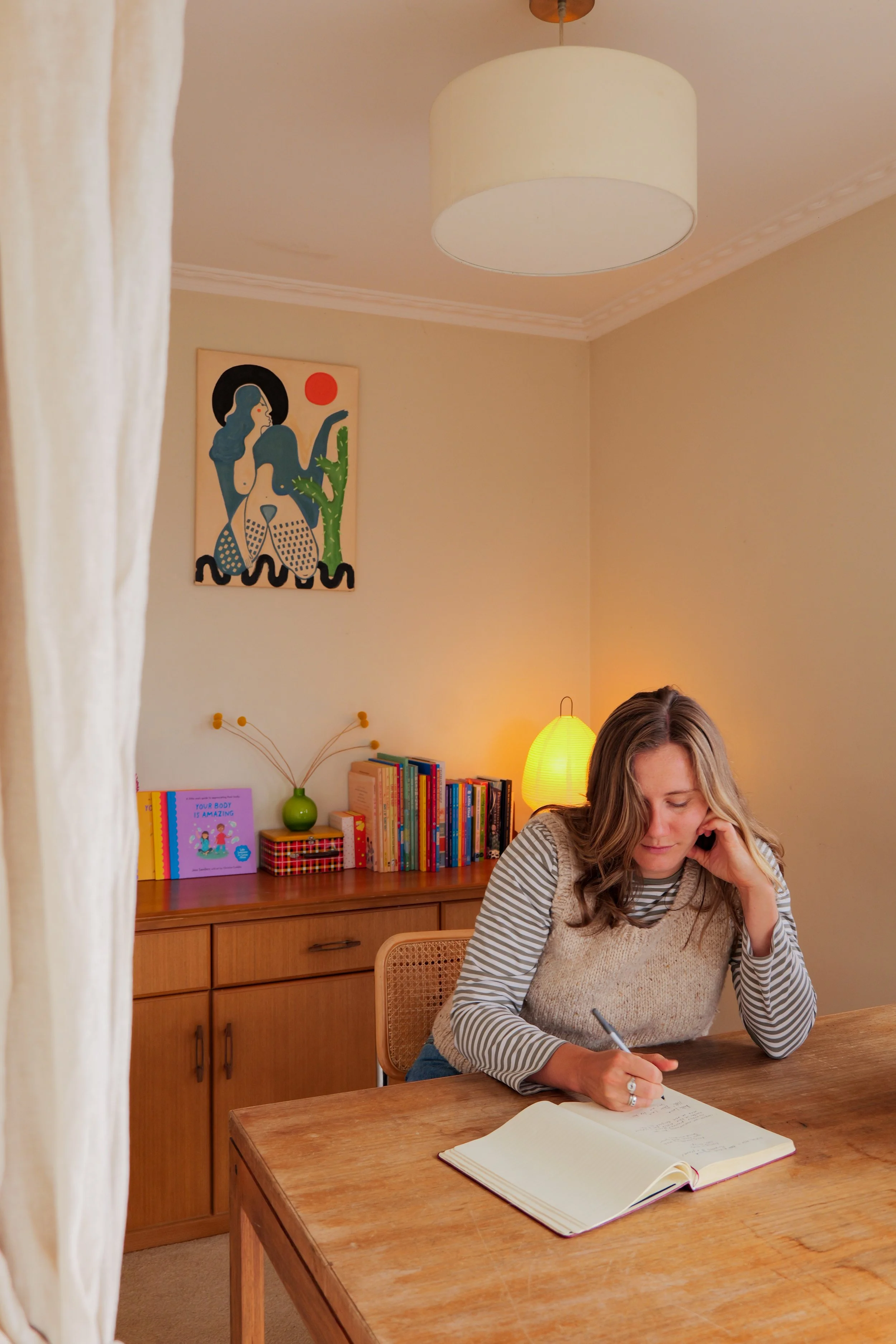
(image: Lara Christie)
By 2019, you had published your first title - a book for girls and those who identify as a girl called Love Your Body. How did you transition into writing?
My parents actually self-published a book of their own when I was a teenager, so I was exposed to the world of writing and publishing from a young age, and saw how children’s books could be used as tools to help entire families.
A few years later, I was sitting around a dinner table with some friends, and conversation turned to how girls under 18 years of age were increasingly getting labiaplasties. One of my friends made a comment about how someone should write a children’s book about body image, because there was so much that we didn’t know or understand as kids that has gone on to inform how we feel about ourselves as women.
I went into bookshops and started talking to people in the publishing world, and realised that this kind of book genuinely didn’t exist in the market - something that tells girls that things like cellulite and stretch marks are normal, and that their bodies are to be celebrated.
People told me that a mainstream publisher wouldn’t be interested in the concept, so I started a crowdfunding campaign to self-publish. Nearly 1,000 people donated to the campaign for this product that didn’t even exist yet, and - in the end - two publishers got into a bidding war, and Love Your Body was published by Five Mile as a beautiful hard-cover illustrated book.
By the time your next two books come out later this year, you will have published 15 books, each with its own important message. What inspires your work?
For a start, my personal experience growing up as a girl. I was nearly six feet tall by the time I was 12 or 13, and I was very aware of my body. I had this sense that I was taking up space that I shouldn’t be. It invited a certain level of reflection, and played a big role in that first book.
I’m also really interested in how gender sterotypes influence how we feel in our bodies, as well as our ways of being. For example, this idea that boys can love sport but not dancing or other creative pursuits. Showing boys and men that they deserve to feel free to be themselves without apology was the foundation for Be Your Own Man, which was published in 2020.
Writing continues to be a creative outlet for messages that I want to share with children, but also with adults. I get regular feedback from parents and families who have read the books with their kids that their inner child really needed to hear that message, too. I think that’s because I’m often writing for my own inner child - it can be really healing.
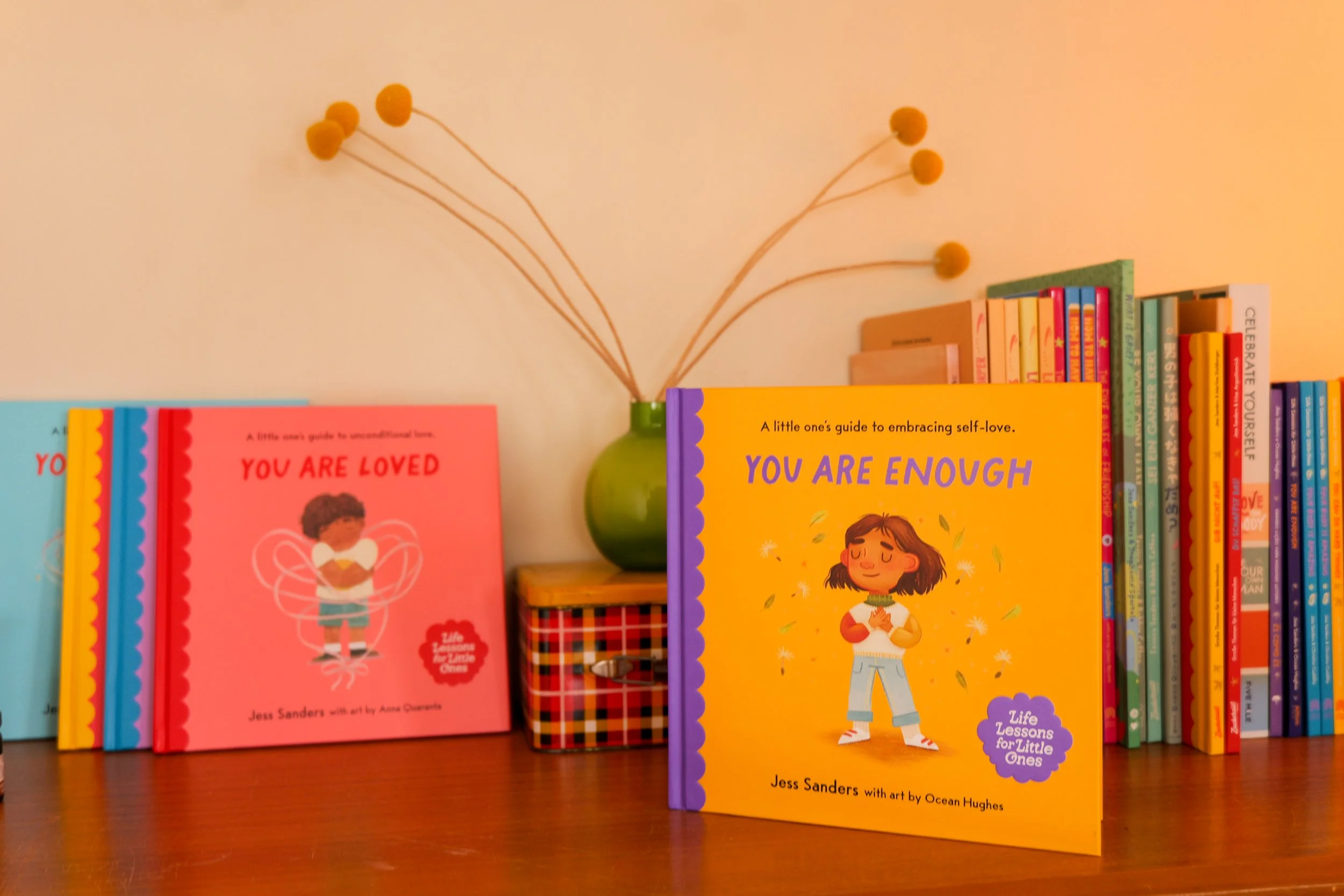
(image: Lara Christie)
Having called Tassie home for almost four years now, have you discovered any local favourite restaurants or bars?
I’m Trophy Room’s biggest fan and advocate. Despite the menu always being exceptional, they don’t take themselves too seriously, and have a bit of fun with their food and service. The team’s love for what they’re doing really exudes through the whole space. I also love Lucinda for a little after-work wine. Chill vibes, a really beautiful wine list, and gorgeous humans - it ticks all of the boxes.
What do you think are three must-dos for every visitor to Tasmania?
Have a session at Elsewhere Sauna - shout-out to Selena - in Taroona on Fridays, or out at Drip Beach past Cygnet on the weekend.
Spend a day op-shopping in the Huon Valley, and make sure you have lunch at Summer Kitchen. My top picks are the wallaby and potato pie, the daily savoury pastry, and the carrot cake.
And just get into nature. Walk along the cliffs, swim in the ocean, get out of the car.
What does the perfect day off look like for you?
I’ve become really addicted to spin classes at Happi Studios - they’ve created a really connected and inclusive environment, and the benefits of exercising with other people have been huge for me. It’s a foundational part of my routine, so I’d start there and then go for breakfast at The Picnic Basket in Taroona. There would be a walk somewhere along the coastline in there, and maybe a sauna, a nap, and a bit of reading. And it would finish with dinner at Trophy Room, of course. I love that sort of slow-paced day where I can just enjoy good food, a bit of movement, and the ocean.