Tasmania’s Bianca Welsh Is Making Space To Talk About Grief
Drawing on her own experience of profound personal loss, a Launceston restaurateur and mental health advocate is creating space for honest conversations about grief - and how moving forward asks us to carry, rather than leave behind, what we’ve lost.
▼
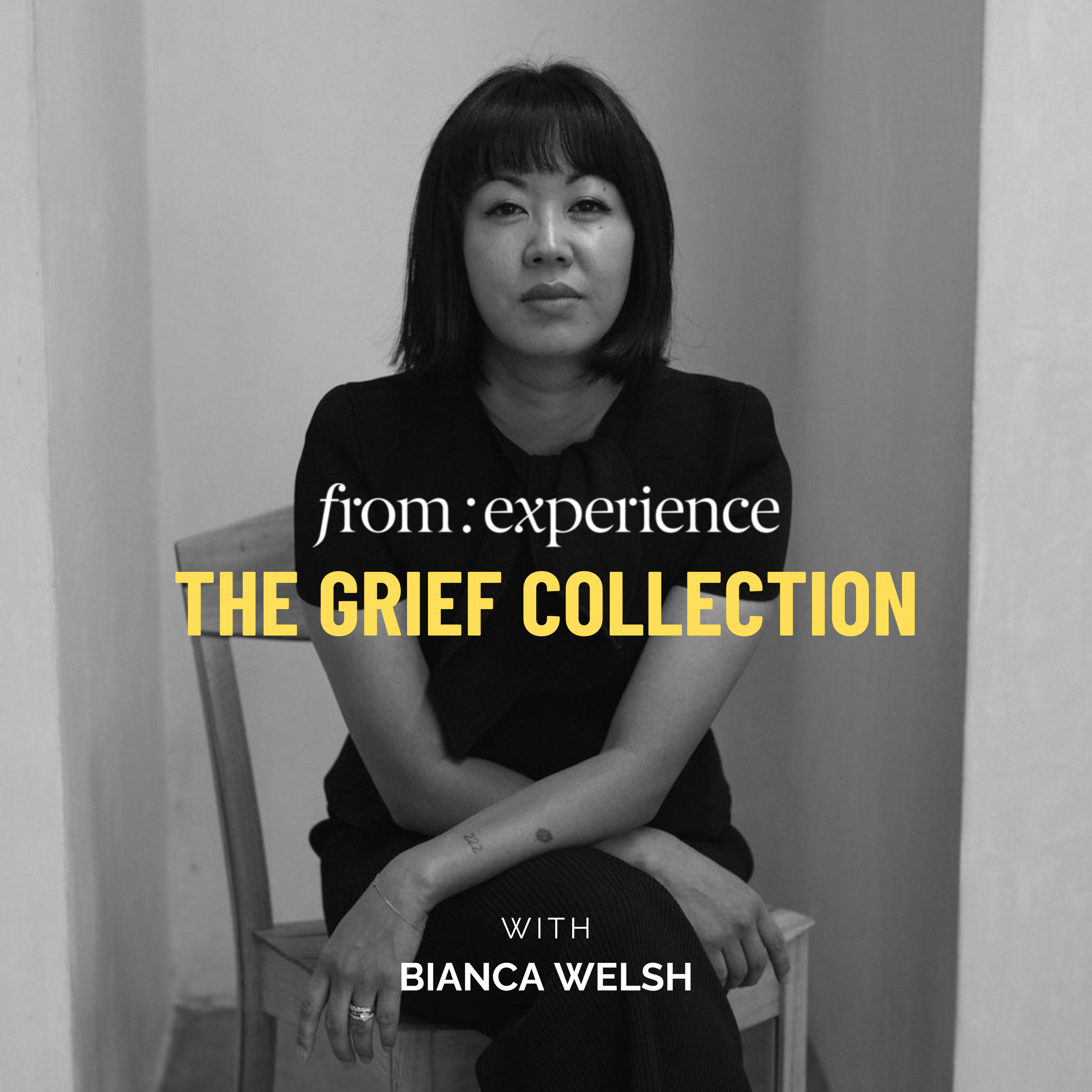
At the beginning of each episode of her podcast From Experience: The Grief Collection, Bianca Welsh poses the question, “So why would I do a grief podcast?” For anyone who knows her, the answer is obvious. Bianca, a Bachelor of Behavioural Science graduate, qualified Mental Health First Aid trainer, Co-Owner and People Manager at Launceston’s Stillwater, and a leading advocate for mentally healthy workplaces in Tasmania, has more than earned the credibility that might be expected of someone contributing to the trauma and healing conversation.
But the real stimulus that sees her get behind the microphone to talk grief with a diverse line-up of guests is Bianca’s personal experience with loss - most impactfully, the loss of her son. In 2022, at almost 37 weeks pregnant, she and husband James learned that their baby had an incredibly rare condition with a life expectancy of months, likely in neo-natal palliative care. At 36 weeks and six days, Bianca underwent a termination for medical reasons (TFMR) procedure, meeting and saying goodbye to Herbert (Herb) Elio Theodore, their second child.
In the aftermath of her loss, Bianca’s search for resources, support and a community highlighted a gap that she’s since worked hard to fill.
“We went through this huge experience, but it felt taboo to talk about, and I didn’t know where to look or who to turn to,” she says. “My overarching desire in starting the podcast is to help others going through the grieving process to get an idea of how others have navigated the healing process after the loss of someone or something that they love.”
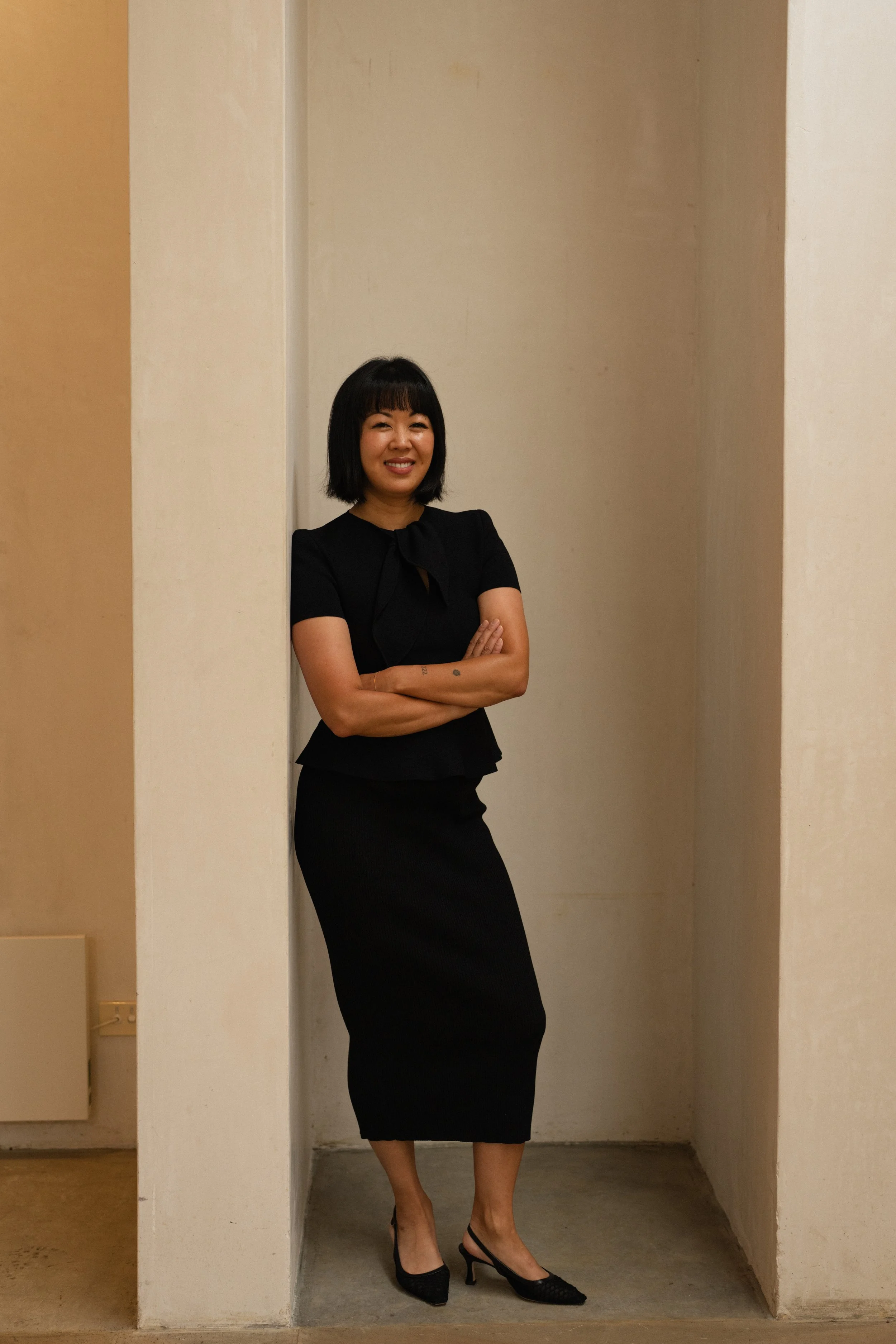
Bianca Welsh (image: Eden Wilday)
Launching last October with a vulnerable two-part reflection on the loss of Herb, From Experience: The Grief Collection has since published seven episodes, featuring conversations with guests who have experienced their own grief journeys. In episode three, Detective Senior Constable Tom Moir speaks candidly about the grief associated with the experience of losing his own identity following complex work-related trauma, and in episode four, Melody West shares the learnings that have influenced her perspective since the loss of both of her parents, in her 20s and 40s respectively. Later in the season, Bianca is joined by Emily Judd, a fellow Launcestonian with whom she became connected through their shared experience of the loss of their children - Emily’s son Jack was stillborn at full term.
“We talk about our boys often, and it still floors me that this actually happened to you, and happened to me, and how we survived it - we’re still here talking about it today,” says Bianca in that conversation. “In that moment, you really feel like, physically and mentally, you are not going to survive the pain of meeting them, knowing that you are going to say goodbye to them at the same time.”
In this, as well as the podcast’s other conversations, what emerges is a shared understanding that grief isn’t something to be solved, but something to be lived alongside. It’s a distinction that Bianca returns to often.
“It’s much more helpful to think of grief as something to move forward through, rather than something we move on from,” she says. “Moving on implies that the thing doesn’t exist anymore. Moving forward acknowledges that the loss, the love and the scar all come with you.”
For Bianca, that understanding was hard-won. In the weeks and months following her loss, she experienced the juxtaposing forces of a pressure - self-imposed or otherwise - to return to business as usual, and a sense of paralysis.
“You want the world to stop and hurt with you, but it’s not possible. There’s still traffic on the road, and people smiling and going about their jobs - it’s really confusing,” she says. “Nothing around you looks physically different but this huge thing has happened to you.”
Unable to imagine what came next, she started small: reading grief books in the park, taking short walks, writing letters to Herb, and creating rituals that allowed him to remain part of her life. Some things helped. Others didn't.
“Talking about it has been incredibly helpful. Journalling, writing letters, exercise, therapy, and connecting with other people who have experienced loss,” she says. “But it’s interesting that, even though James and I went through the same thing at the same time, we grieved so differently and are healing so differently. It’s an experience that really highlights that what works for me might not work for others, and vice versa.”
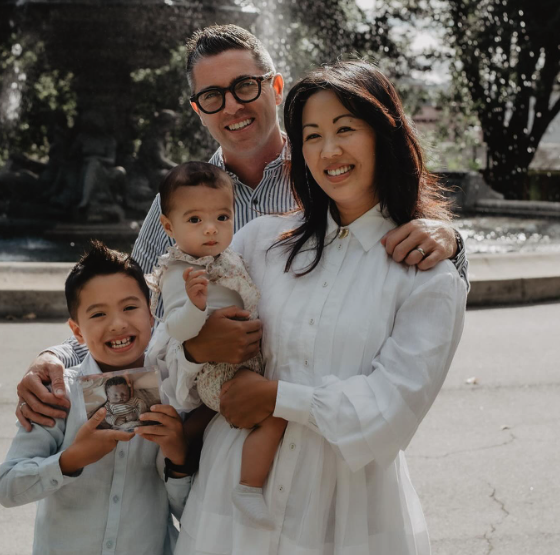
Bianca Welsh and family (image: Luelle Images)
It's this practical curiosity about how people navigate loss that shapes the podcast's conversations. Beyond the stories themselves, Bianca is interested in the very personal coping mechanisms and unexpected lessons that emerge from grief's aftermath. That approach has resonated with listeners. Since launching, Bianca has received messages from people around Australia and overseas, including those who have experienced termination for medical reasons themselves, thanking her for creating a space for conversations they struggled to find elsewhere.
As the series continues, Bianca hopes to explore an even broader spectrum of loss, from bereavement and trauma to relationship breakdowns and shifts in identity. Ultimately, From Experience: The Grief Collection isn't trying to offer definitive answers. Instead, Bianca hopes it serves as something closer to a first-aid kit: a collection of stories, perspectives and possibilities that listeners can draw upon when they need them most.
“You don’t know what you’ll need until you’re in it, but hearing other people’s stories really helped me, and I hope the series can do that for others in all sorts of different grief scenarios,” Bianca says. “I want this space to create a common thread of understanding about this thing that we will all experience at some time in our lives, and to help people feel less alone.”